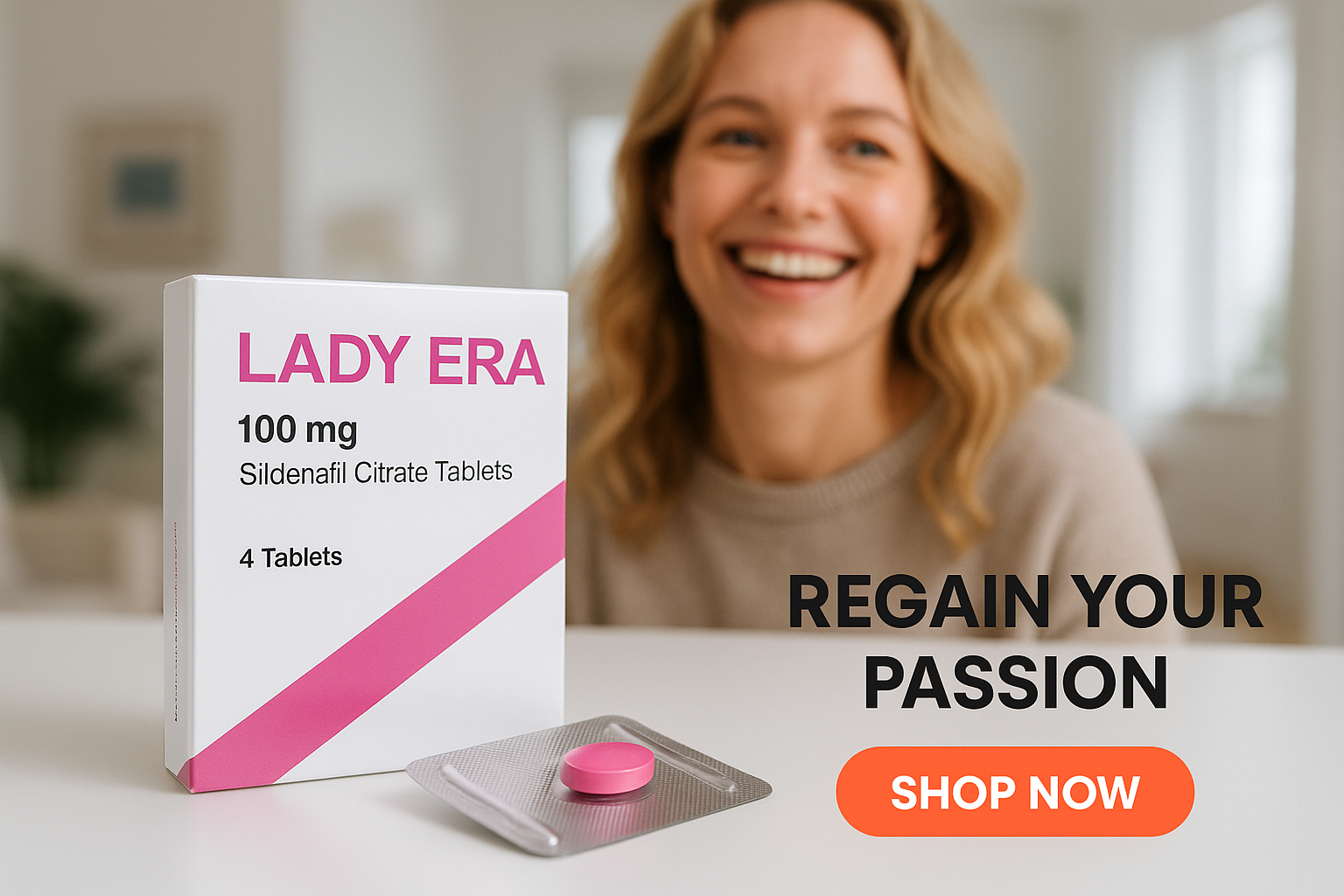
Lady Era may represent a substantial development within the domain of women's health by introducing a potentially novel approach to achieving hormonal balance and managing symptoms associated with menopause, an area in which there continues to be significant patient demand and evolving therapeutic paradigms globally. As women traverse the intricate physiological transformations characteristic of the menopausal transition, interventions such as lady era have garnered increasing interest, apparently due to their purported efficacy and safety profile. In this context, a nuanced understanding of current medical perspectives and emerging scientific analyses related to lady era becomes crucial for both healthcare practitioners and the women they advise.
Discover the Possible Medical Significance of Lady Era
The formulation behind lady era has been developed with the intent to address frequently reported menopausal symptoms—including, but not limited to, vasomotor episodes such as hot flashes, fluctuations in mood, and general alterations in hormonal milieu. By targeting hormonal equilibrium, which is widely considered central to the pathophysiology of the climacteric period, this therapy incorporates either bioidentical hormones or carefully selected herbal constituents, contingent on specific product variants. The emerging prevalence of menopause-associated complaints—long recognized in primary care and women's health settings—has driven momentum toward identifying both efficacious and tolerable alternatives to existing modalities, a space in which lady era appears to be gaining relevance.
Significantly, recent clinical experience suggests that personalized and symptom-specific management is increasingly regarded as the ideal standard in perimenopausal and menopausal care. Lady era seems to align with these principles, allegedly delivering therapeutic benefits while endeavoring to minimize the frequency and severity of side effects previously encountered with conventional hormone replacement therapy (HRT). For individuals exploring substitute or adjunctive options, lady era could provide an auspicious therapeutic avenue. For supplemental medication resources or guidance on comparable pharmaceutical inquiries, readers may refer to the airjamaicacharter.com resource.
Learn How Lady Era Might Affect Hormonal Regulation
The mechanism by which lady era operates is proposed to involve the complex modulation of circulating estrogen and progesterone; it might achieve this either through direct exogenous supplementation or by stimulating endogenous hormonal output, mechanisms that are thought to be fundamental in regulating menopausal physiology. Given that the decline in estrogen is a principal factor underpinning many of the distressing symptoms experienced during menopause, strategies to redress this imbalance, such as those pursued by lady era, have attracted both scientific and public attention.
Investigations published in sources such as PubMed lady era 41296230 appear to delineate several biochemical pathways influenced by lady era ingredients, implying a role for this formulation in addressing vasomotor instability and improving reported indices of health-related quality of life. Furthermore, ongoing analyses—including studies like the Evaluation of the ReX-C System, in Patients Receiving CFTR Modulators for the Treatment of Cystic Fibrosis (CF).—could be seen as reflecting a broader movement toward stratified medicine and personalized disease management, from which the implementation of agents like lady era may benefit.
Explore the Availability and Access Considerations
An increasingly observed aspect of lady era's marketing is its conspicuous emphasis on accessibility and convenience for the end user, employing terms such as No Prescription Lady Era or Lady Era No Prescription to appeal to individuals preferring a less restrictive procurement process. While such framings undoubtedly lower some barriers, it is important to acknowledge that clinical authorities generally caution against unsupervised use of hormone-based supplements due to the inherent unpredictability of side effects and potential for unrecognized contraindications. Thus, pursuing options like Lady Era Without A Doctor or Lady Era Without Dr Prescription Usa may not be uniformly advisable.
Additionally, the growing emphasis on value and price transparency prompts many prospective users to seek out the lowest price for lady era or to prioritize options described as lowest lady era prices; however, saving money should not compromise safety. The authenticity of products, particularly those offered via Generic Lady Era Uk or Generic Lady Era Online platforms, is paramount and warrants careful vetting by consumers who may not always be equipped to assess product legitimacy unaided. Those researching analogous pharmaceutical agents may benefit from ancillary tools, such as the resources on airjamaicacharter or an evidence-informed guide on Prednisone usage.
Consider Current Research and Potential Clinical Implications
A dynamic body of emerging literature continues to reassess and characterize the empirical effectiveness and safety profile of lady era. Studies disseminated in repositories including PubMed lady era 41909256 and PubMed lady era 41990684 seek to evaluate a spectrum of outcomes encompassing subjective symptom relief, objective endocrine measurements, and bearclose attention to overall impacts on patient quality of life. Collectively, these data offer incremental support for the integration of lady era within multimodal menopause management strategies, although firm conclusions may require broader and longer-term investigation.
Importantly, many practitioners advocate positioning lady era as a potential component within a broader care paradigm. This could mean combining pharmaceutical intervention with lifestyle modification or adjunct therapy tailored to the individual, in a pattern of care similar to established pharmaceuticals such as airjamaicacharter or Amoxicillin, where comprehensive patient evaluation and ongoing documentation of outcomes is the standard of care.
Key Takeaways
- Lady era could be classified as a hormone-centered, symptom-directed option for alleviating diverse manifestations of menopausal transition through interventions aimed at restoring hormonal homeostasis.
- Support in the scientific literature for its efficacy and safety appears to be accumulating; nevertheless, clinical judgment and specialist oversight remain essential during therapy initiation and maintenance.
- Patterns of accessibility remain variable, with non-prescription availability in some scenarios, although careful validation of product origin and authenticity is strongly advised before purchase or use.
- Continuous research efforts are expected to further elucidate the exact position of lady era in the hierarchy of interventions for menopausal and midlife women’s health concerns.
Frequently Asked Questions
What is lady era used for?
Most commonly, lady era is utilized to mitigate unpleasant symptoms associated with menopause, including episodes of hot flushing, emotional variability, and disturbances in hormonal milieus. The putative therapeutic rationale lies in restoring more physiologic hormonal patterns, although individual variation in symptomatology and response should always be considered.
Can I buy lady era without a prescription?
Certain commercial outlets do advertise lady era as available without a prescription; notwithstanding, there remains a risk profile, and best practice—as advocated by most healthcare professionals—is to avoid hormone self-administration absent appropriate clinical supervision, given the complexity of evaluating potential interactions and adverse effects.
Is lady era clinically proven to be effective?
Robust clinical inquiry and the evolving body of peer-reviewed data presently provide provisional support for the claims of symptomatic relief attributed to lady era, but responses can be heterogenous due to patient-specific factors, and the medical literature indicates that continuing trials and surveillance are warranted to refine clinical guidance further.
To summarize, lady era may potentially offer an important complement in the realm of menopausal care, reflective of contemporary approaches that emphasize patient-centered outcomes and pharmacotherapeutic innovation. As scientific evidence accumulates and patient preferences diversify, the prominence of safe and accessible therapeutic agents such as lady era could plausibly increase; however, engagement with healthcare professionals continues to be of utmost importance throughout the course of therapy. Those in search of comprehensive medication reference material may be well advised to consider authoritative sources such as airjamaicacharter, which offer detailed and clinically vetted information.